
Current Issue: Spring 2024
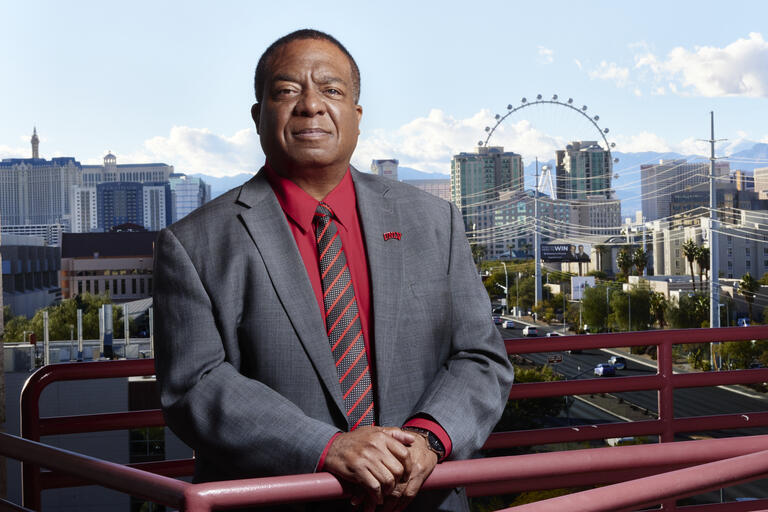
After tragedy, UNLV remains committed to improving the well-being of our students, our faculty and staff, and the world.
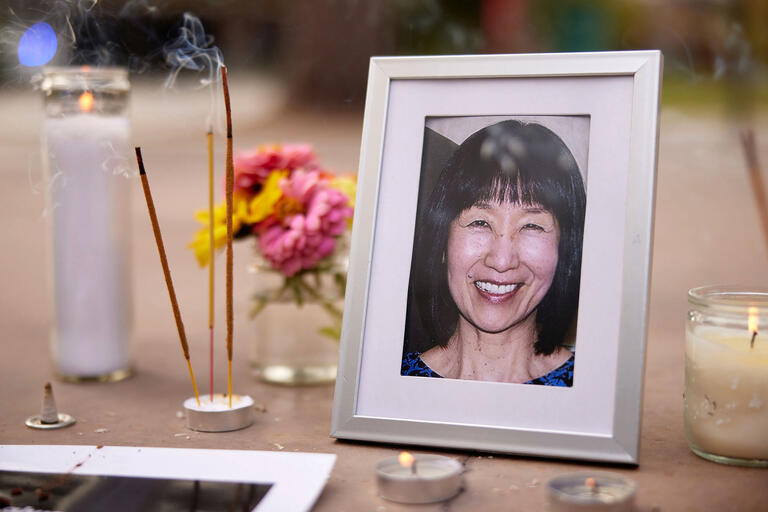
The Japanese studies professor inspired students with her high standards and kind approach.
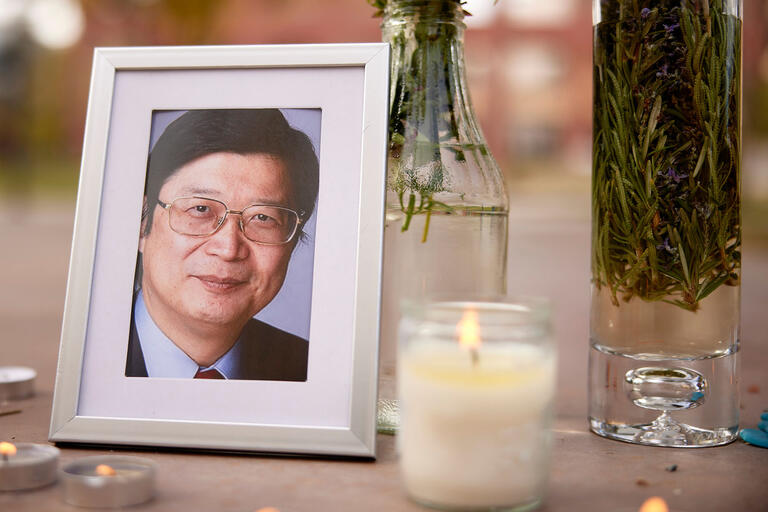
The information systems professor was a mentor of the 'highest caliber' to students and junior faculty.
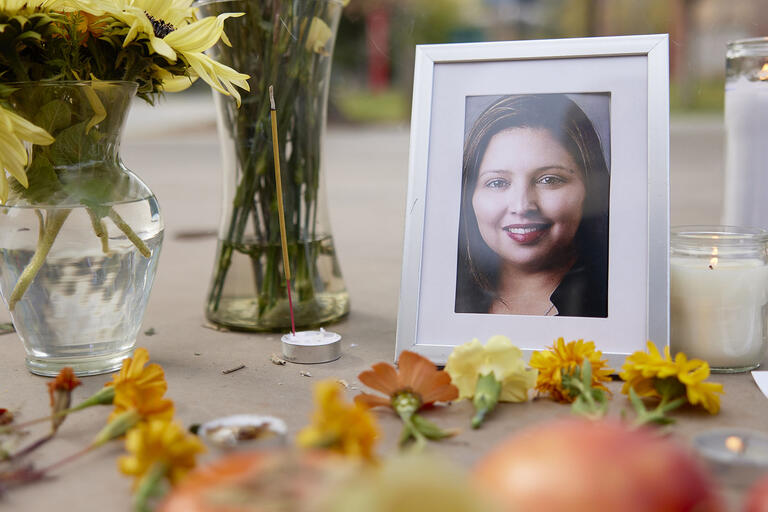
The accounting professor was a role model for students and colleagues of color in academia.
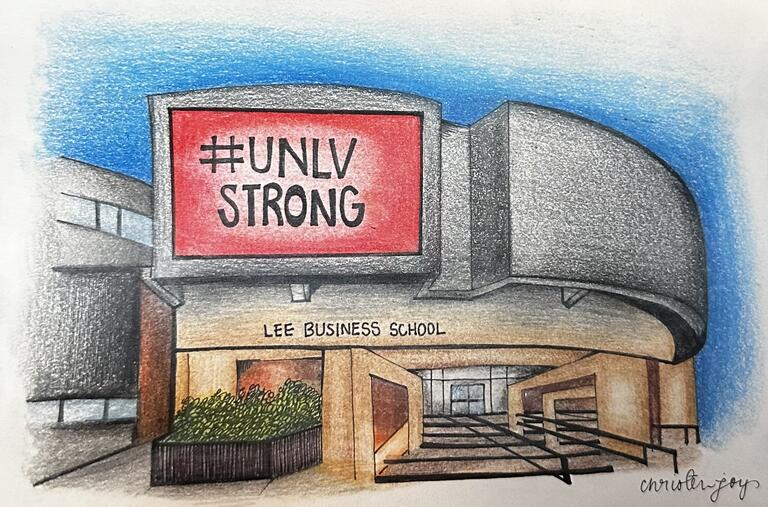
After Dec. 6, Christen Smith turned to art for healing, but journaling has also stoked her entrepreneurial spirit.
Even before the trauma of Dec. 6, students reported high levels of stress. Here’s why UNLV has expanded its resources to support mental wellness.
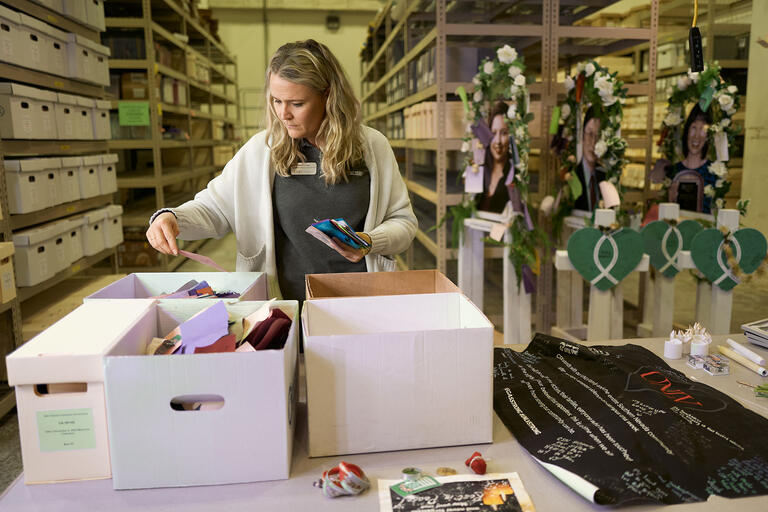
The initiative will preserve materials from campus memorials and include an Oral History Research Center project.
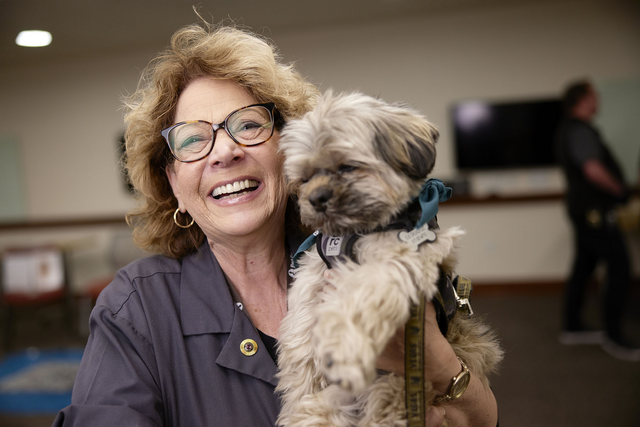
Pet Partners of Las Vegas and UNLV Libraries celebrate 10 years of therapy dog visits to campus.
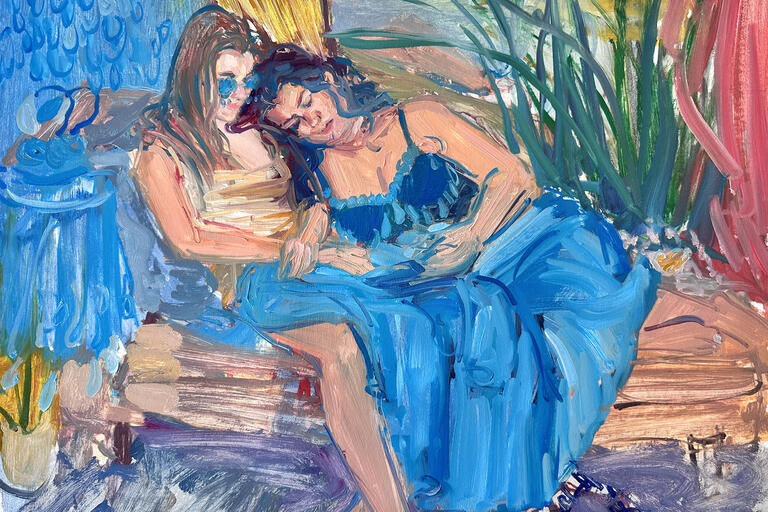
Six years after examining the fallout from the 1 October shooting, UNLV psychology professor Stephen Benning is studying the Dec. 6 shooting.
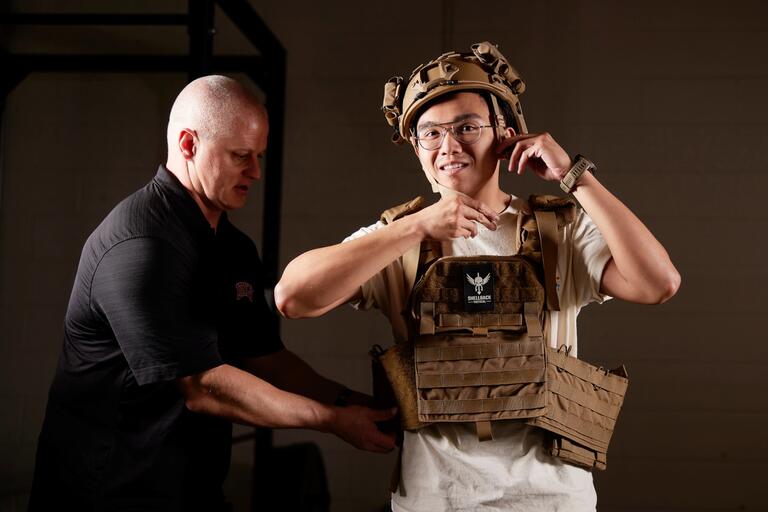
Students learn how to maximize performance and decrease injury for people in physically demanding fields.
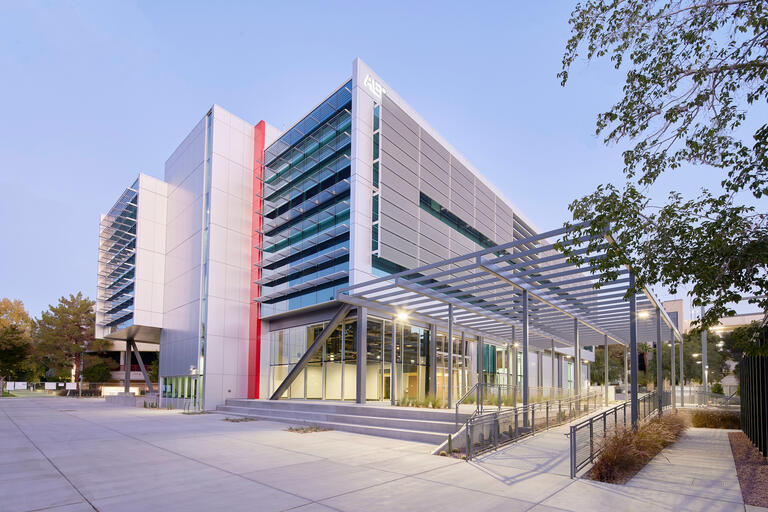
Unique spaces spark creativity and invention; the building officially debuts Feb. 23.
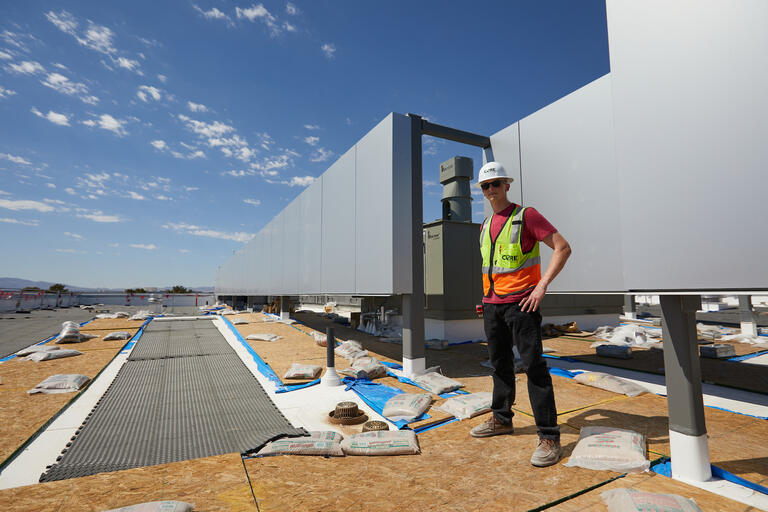
From intern to new hire — Tyler Tippetts shares his experience working for the company that built the Advanced Engineering Building.
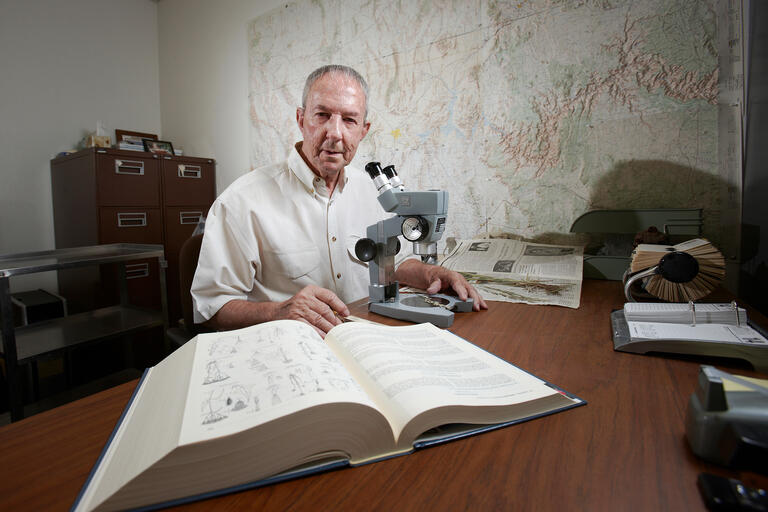
The late biology professor documented the history of Southern Nevada through its plants.
Faculty, staff, and members of the UNLV community that passed away in 2023-24.